Published September 30, 2026
7 Ways Preventive Health Starts at Home: A Smarter Approach to Everyday Wellness
Discover 7 practical ways to make preventive health part of everyday life, from healthy habits and home testing to tracking trends over time.

7 Ways Preventive Health Starts at Home: A Smarter Approach to Everyday Wellness
Your Health Doesn't Start at the Doctor's Office
For many people, preventive health begins with an annual physical, a routine blood test, or a visit to the doctor when something doesn't feel right. Those medical appointments remain an important part of staying healthy, but they aren't the only opportunities you have to pay attention to your body.
A lot happens between checkups.
Your sleep changes. Your stress levels rise and fall. Your diet shifts. You exercise more or less. You travel, work long hours, drink more water, forget to drink enough water, recover from an intense workout, or simply move through a particularly busy season of life.
Your body responds to all of it.
That's why preventive health is increasingly becoming an everyday practice rather than something that happens once or twice a year. With the growth of wearable technology, health apps, and home testing, people have more opportunities to understand their habits and health signals between traditional medical visits.
The goal isn't to replace professional healthcare. It's to become more aware of your own health so you can make more informed choices and bring better questions and useful context to conversations with your healthcare provider.
Here are seven ways preventive health can start at home.
1. Get to Know Your Baseline
Before you can recognize meaningful changes, it helps to understand what is normal for you.
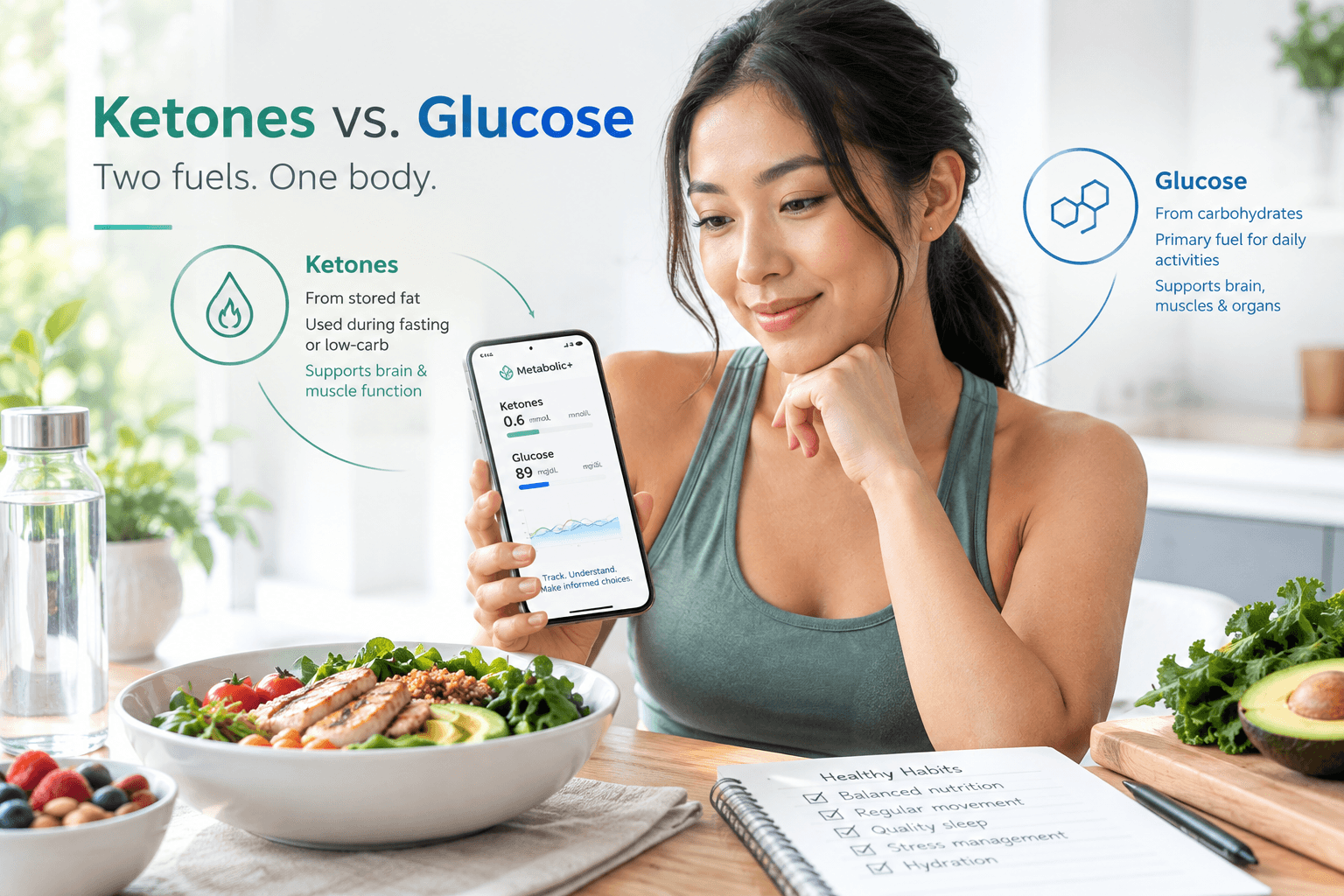
Your baseline might include the way you typically sleep, your usual activity level, your hydration habits, your energy throughout the day, or other health measurements you choose to monitor. A single result can provide information, but a series of results can begin to reveal your personal patterns.
This is particularly important because there is no universal definition of "normal" that applies perfectly to everyone. People have different routines, bodies, environments, and health histories.
Starting with your own baseline gives you a reference point. Instead of asking, "Is this number good?" you can begin asking, "How is this changing over time?"
That shift from isolated results to personal trends is an important part of a more proactive approach to wellness.
2. Pay Attention to the Everyday Habits That Shape Your Health
Preventive health isn't always about adding something new to your routine. Sometimes it's about becoming more intentional about the habits you already have.
The basics still matter.
Regular movement, balanced nutrition, adequate hydration, quality sleep, stress management, and recovery all contribute to your overall well-being. These habits also interact with one another. A stressful week can affect your sleep. Poor sleep can affect your energy. Lower energy can affect your activity levels and food choices.
Instead of treating these habits as separate checkboxes, look at them as a connected system.
A few simple areas to pay attention to include:
- How consistently you sleep
- How much you move throughout the day
- How regularly you hydrate
- What your typical meals look like
- How you recover from exercise
- How stress affects your routine
The objective isn't to become perfect. It's to become more aware of what you do consistently and how those habits may relate to how you feel.
3. Use Home Testing to Learn More Between Checkups
One of the biggest changes in modern wellness is the growing accessibility of home testing.
Instead of waiting for a yearly appointment to learn something about your health, certain at-home tests can provide information about specific biomarkers or physiological signals using samples collected at home.
Depending on the test, these may include markers related to:
- Hydration
- Metabolism
- Stress
- Nutrient status
- Exercise and performance
Home testing isn't a substitute for diagnosis or clinical care. Its value is in providing additional information and helping people become more aware of patterns that may otherwise go unnoticed.
For example, repeating a wellness measurement under similar conditions may help you see how your body responds to changes in your routine. That information can then support more informed conversations with a qualified healthcare professional when appropriate.
4. Track Trends Instead of Chasing Perfect Numbers
It's tempting to judge your health based on one result.
A number is high, low, or somewhere in between, and suddenly it feels like a verdict.
But your body is constantly changing. Sleep, exercise, hydration, food intake, stress, illness, travel, and many other factors can influence how you feel and how certain measurements change from one day to the next.
That's why trends can be more useful than isolated snapshots.
Imagine you've started drinking more water, improving your sleep routine, or changing your exercise schedule. One test may not tell you much. Repeated measurements may give you more context about whether those changes correspond with patterns over time.
The better question isn't always:
"Is this result perfect?"
It may be:
"What is this result telling me about my current habits and patterns?"
That mindset can make health tracking more useful and less stressful.
5. Build a Weekly Wellness Check-In
Preventive health doesn't have to become another complicated task on your calendar.
A simple weekly check-in can be enough to keep you connected to your health.
Take a few minutes to reflect on questions such as:
- How has my sleep been this week?
- Have I been moving consistently?
- Am I staying hydrated?
- How has my stress level felt?
- Have my eating habits changed?
- Am I recovering well from exercise?
- Have I noticed any patterns in the health information I'm tracking?
The purpose isn't to judge yourself. It's to notice what is happening.
A weekly check-in can also make it easier to identify small changes before they become long-standing habits. Maybe you've been sleeping less because of work. Maybe you've been skipping workouts because you're exhausted. Maybe you've actually made progress and haven't noticed it.
Awareness gives you the opportunity to respond.
6. Turn Health Information Into Better Decisions
Data only becomes useful when you do something with it.
Suppose you notice that your hydration habits are inconsistent. You might decide to keep water nearby during the workday. If you're noticing that your recovery feels worse after several intense training sessions in a row, you may decide to build in more rest.
The point isn't that a single health measurement tells you exactly what to do. Instead, information can help you ask better questions and notice relationships between your habits and how you're feeling.
This creates a simple feedback loop:
Track → Notice → Adjust → Reassess
Over time, this process can make healthy habits feel more intentional and personalized.
7. Know When Home Monitoring Isn't Enough
A proactive approach to wellness also means knowing when to seek professional care.
At-home health information can provide useful context, but it doesn't replace medical evaluation, diagnosis, or treatment. Some changes may be temporary or influenced by everyday factors, while persistent or concerning results may require further evaluation.
Talk with a healthcare professional if you have symptoms that concern you, notice persistent changes, or receive results that you don't understand or that continue to be outside the expected range.
When you do see a healthcare provider, the information you've gathered over time can sometimes help provide useful context about your habits and trends.
Preventive health isn't about managing everything yourself. It's about knowing when to monitor, when to adjust, and when to ask for expert help.
Why Preventive Health Is Becoming More Personal
Healthcare has traditionally focused heavily on identifying problems once they become noticeable. Preventive health takes a different perspective: understand your health earlier, pay attention to patterns, and make supportive choices before small issues become bigger concerns.
Technology is making this mindset easier to practice.
Wearables can track movement and sleep. Apps can help monitor nutrition and habits. At-home testing can provide information about selected biomarkers without requiring a visit to a clinic for every measurement.
None of these tools tells the whole story.
But together, they can help people become more engaged with their own health.
And perhaps that's the most important shift of all: moving from simply receiving health information to actively understanding it.
The Bigger Picture of Home Testing
Home testing works best when it's part of a broader wellness strategy.
A test result becomes more meaningful when you consider what was happening around it. Were you sleeping well? Were you hydrated? Has your exercise routine changed? Were you under unusual stress? Has your nutrition changed?
This context matters because your body is not a collection of isolated numbers.
It's a connected system.
That's why looking at multiple health signals and tracking patterns over time can provide a richer picture than focusing on a single measurement.
For people interested in learning more about their everyday wellness, at-home biomarker testing can be one additional tool for building that awareness.
Preventive Health Starts With Paying Attention
You don't have to overhaul your life to take a more proactive approach to your health.
Start by paying attention.
Notice how you sleep. Move consistently. Stay hydrated. Eat thoughtfully. Give yourself time to recover. Check in with how you're feeling. When appropriate, use home testing and other tools to gather additional information. And when something seems concerning, bring it to a healthcare professional.
Preventive health is not about predicting the future or eliminating every health risk.
It's about creating a stronger relationship with your own health, one built on awareness, consistency, and informed decisions.
Your next healthy choice doesn't have to be a dramatic one.
Sometimes, it starts with simply taking a closer look.
Frequently Asked Questions
What does preventive health mean?
Preventive health focuses on maintaining well-being and identifying potential concerns early through healthy lifestyle habits, appropriate screenings, regular checkups, and awareness of changes in your health.
Can home testing replace a doctor's visit?
No. Home testing can provide additional information about selected health markers, but it is not a replacement for professional medical evaluation, diagnosis, or treatment.
What can home testing help me understand?
Depending on the specific test, home testing may provide information about selected biomarkers related to areas such as hydration, metabolism, stress, nutrition, or performance.
Why are health trends more useful than one result?
Your body changes in response to many factors, including sleep, diet, exercise, hydration, and stress. Looking at repeated measurements can provide more context than relying on a single snapshot.
How often should I monitor my health at home?
The appropriate frequency depends on the type of test, the purpose of monitoring, and the manufacturer's instructions. For any persistent or concerning changes, consult a healthcare professional.